
Olaszországi ifjúsági csereprogram tájékoztató és képek – Zavattarello
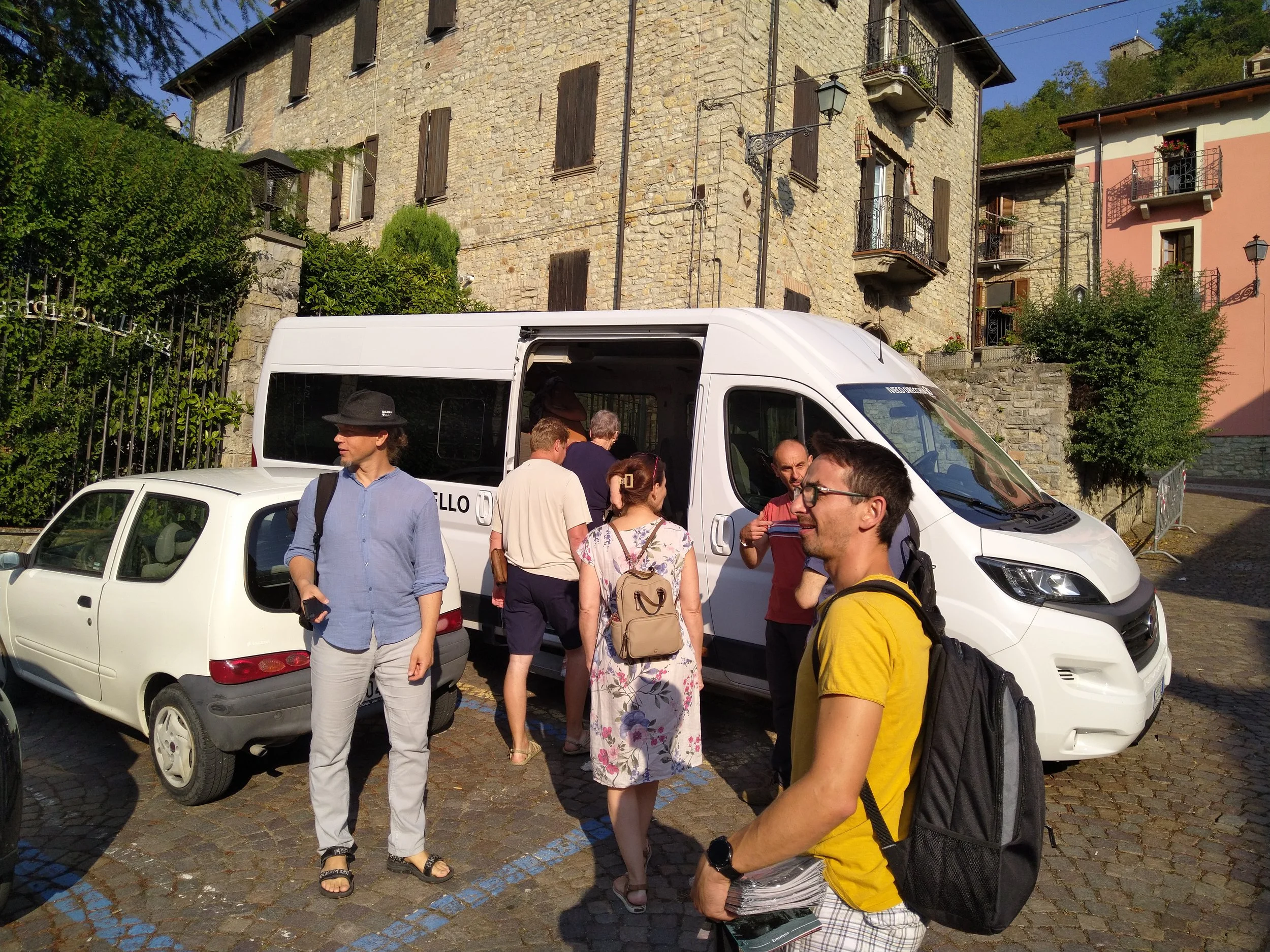
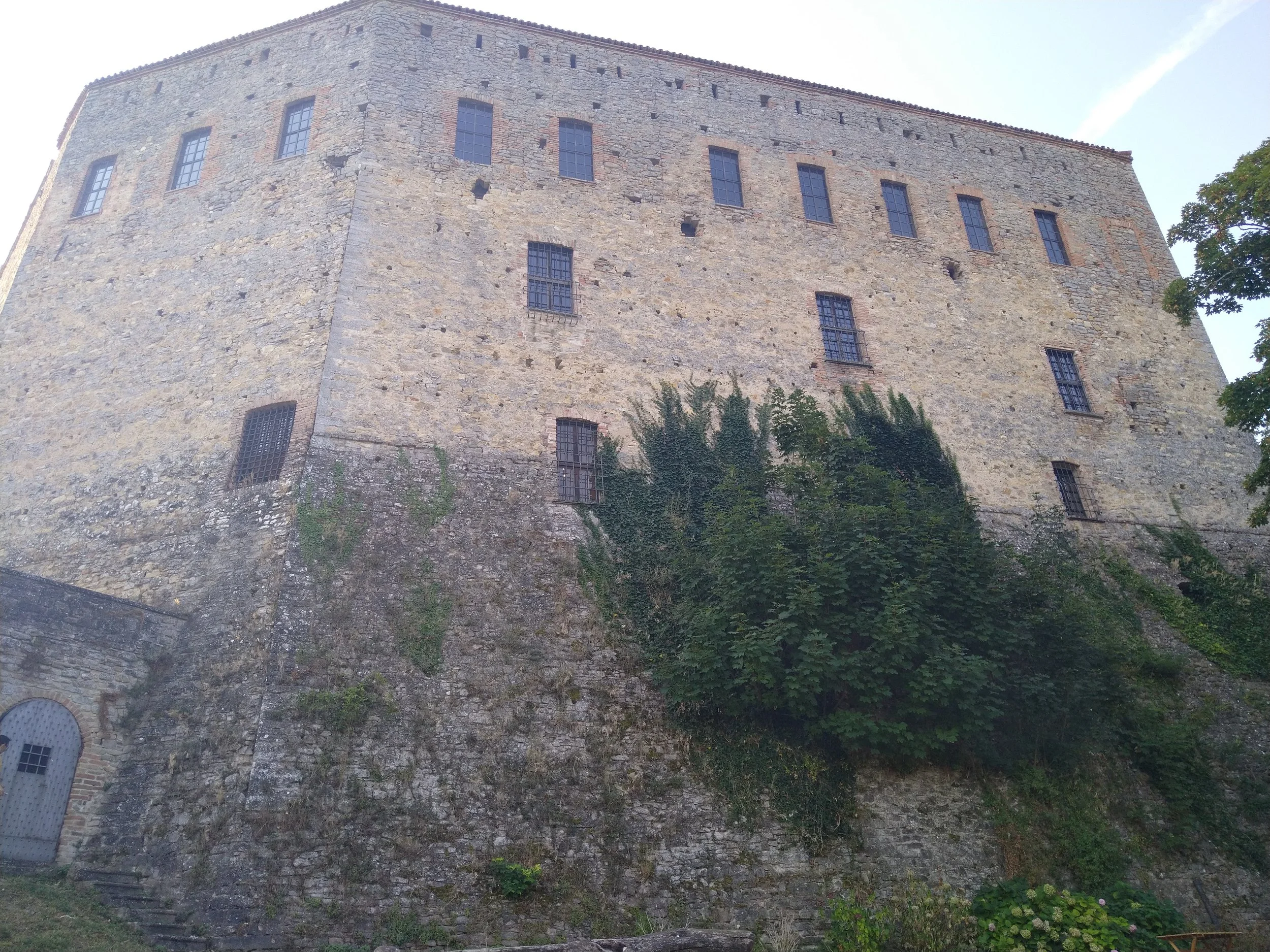
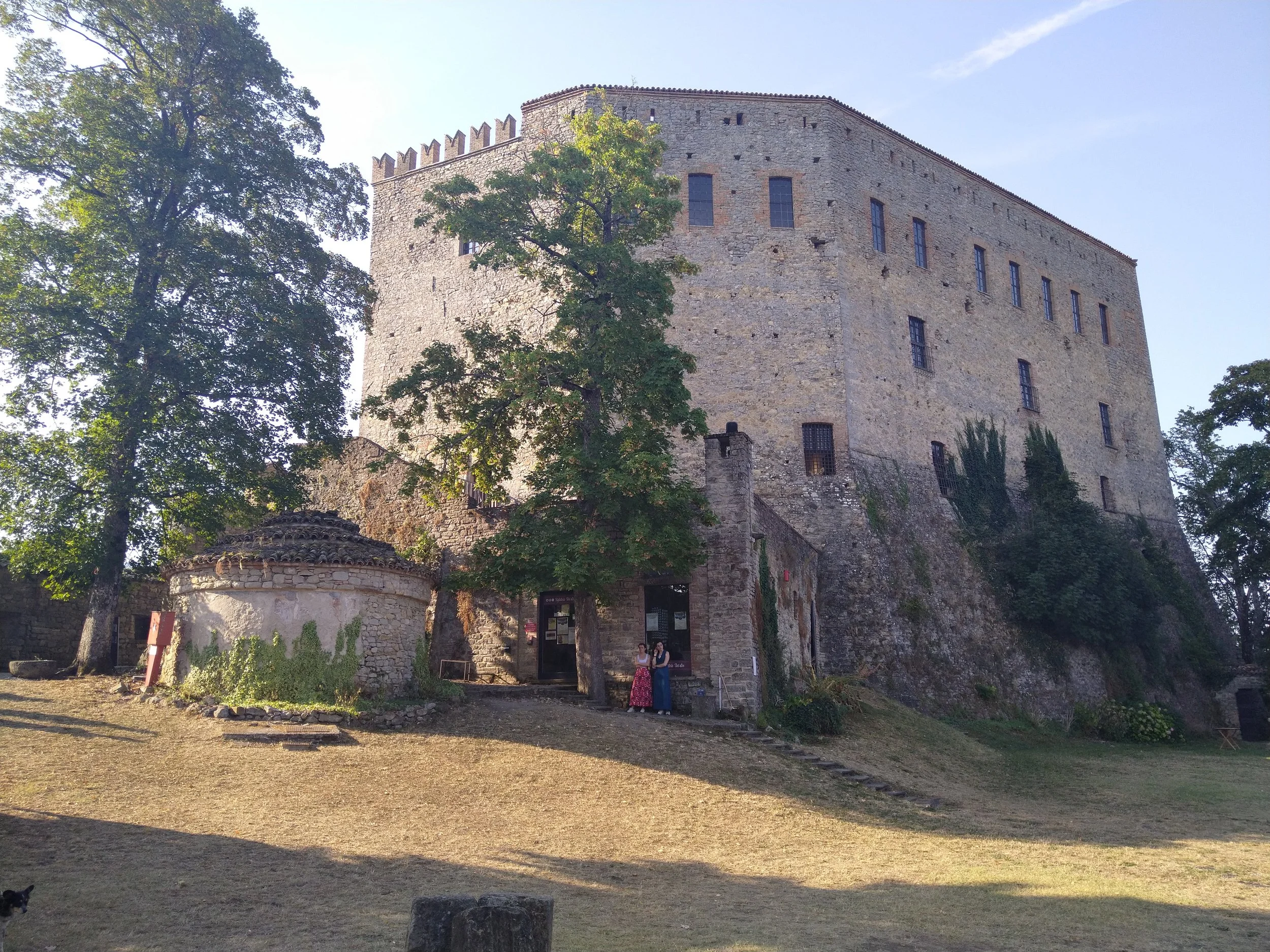
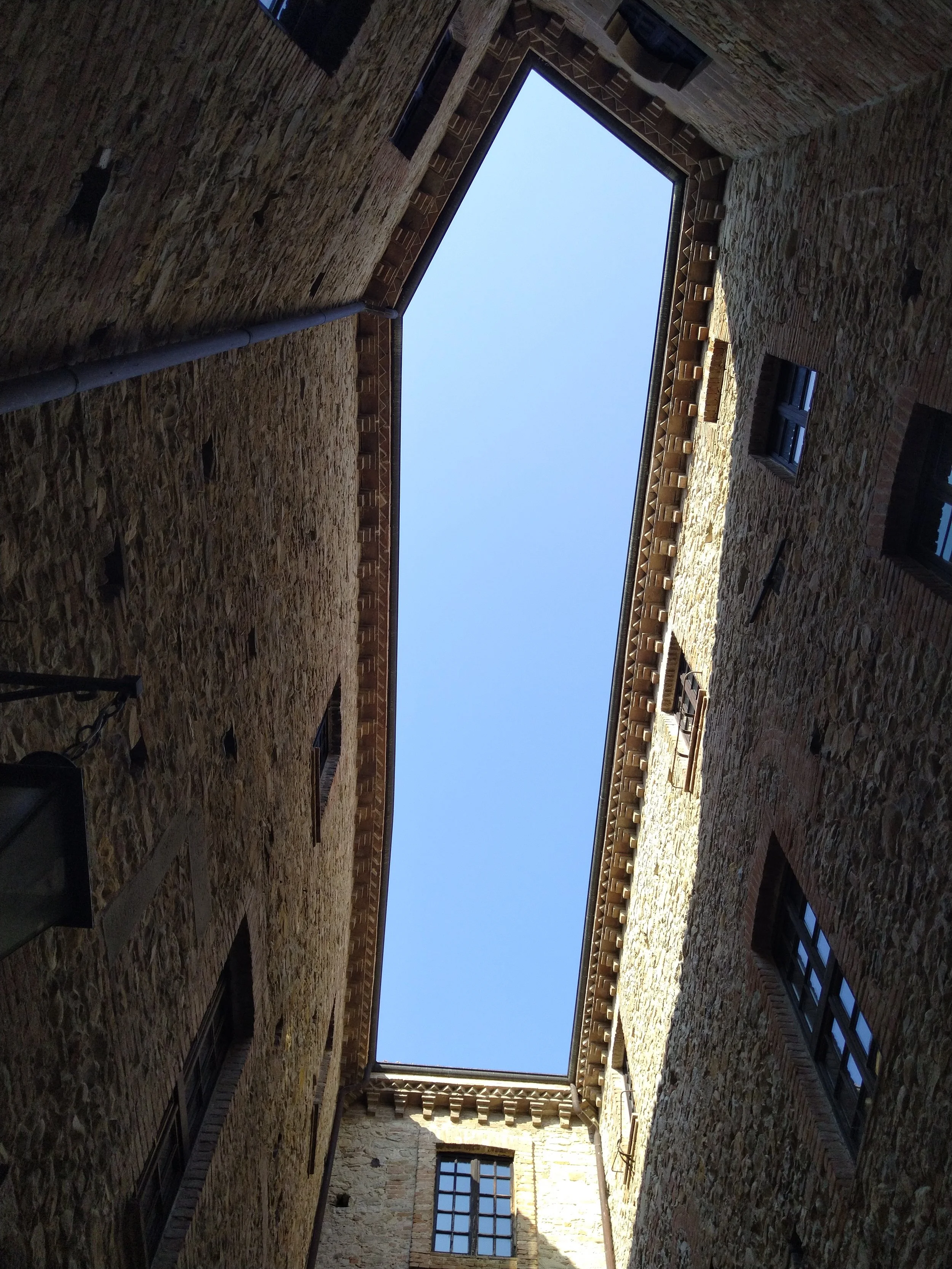
IFJÚSÁGI CSEREPROGRAM (A3.5) - ZAVATTARELLO, OLASZORSZÁG, 2025.08.12-18.
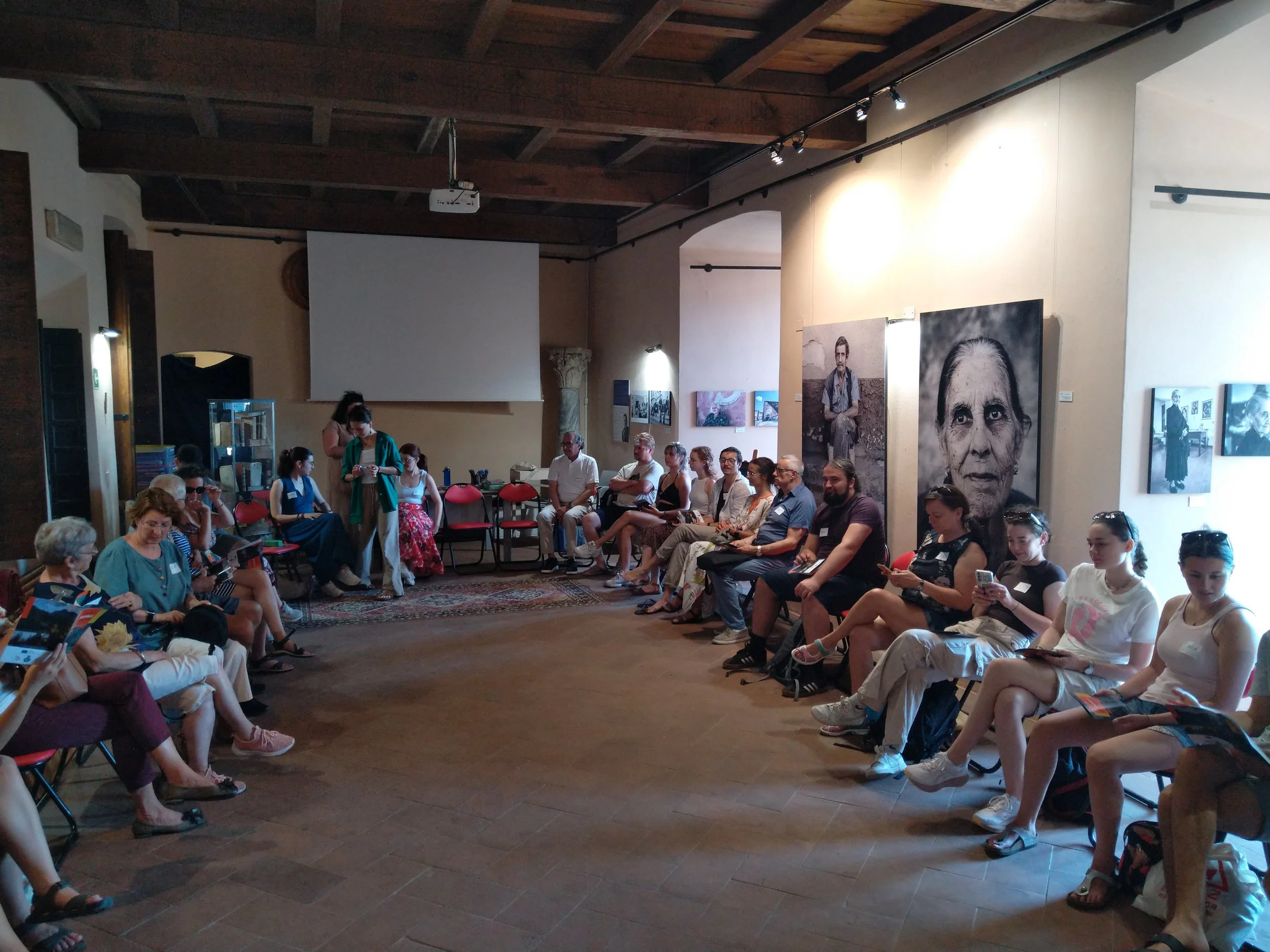
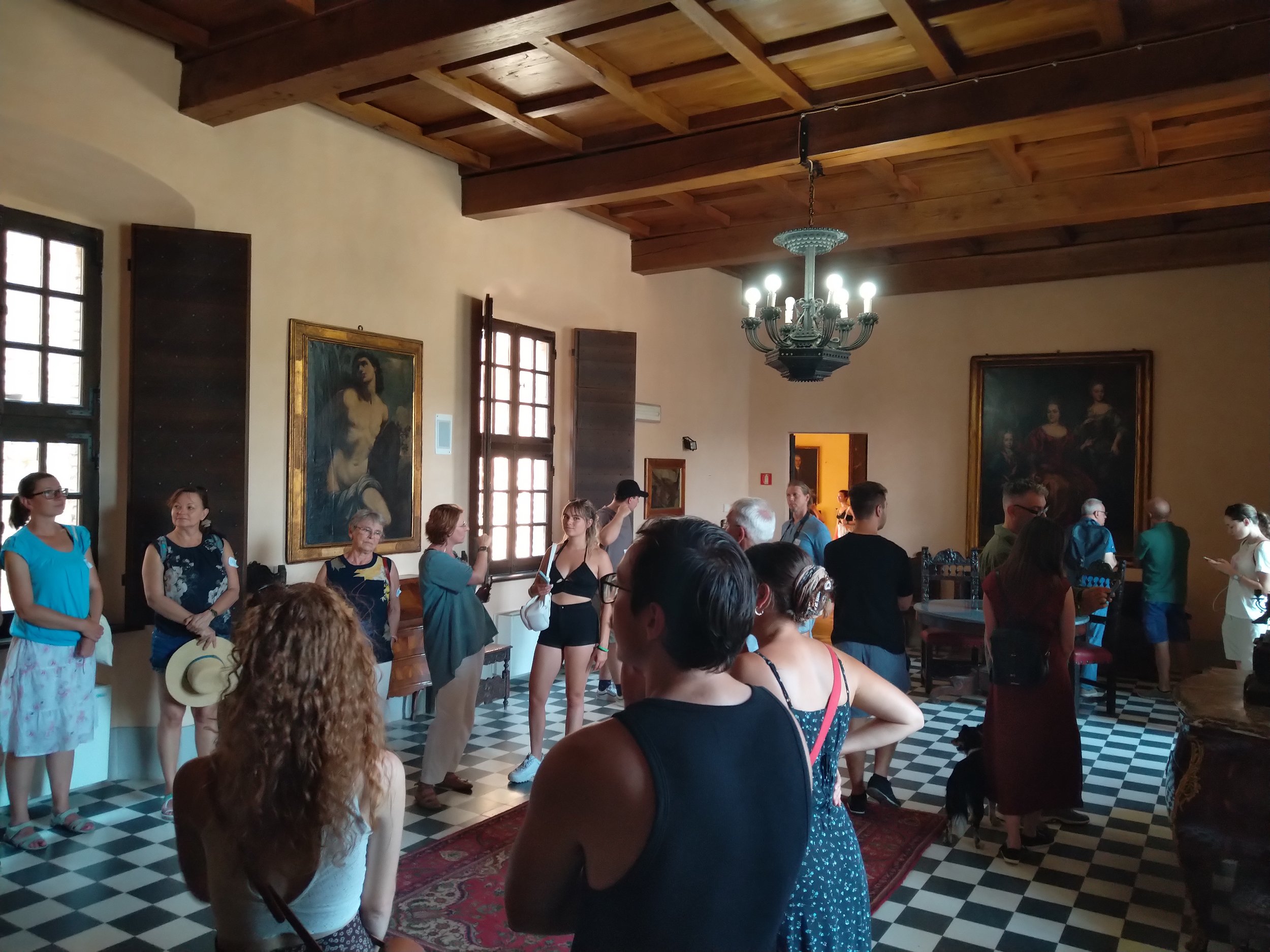
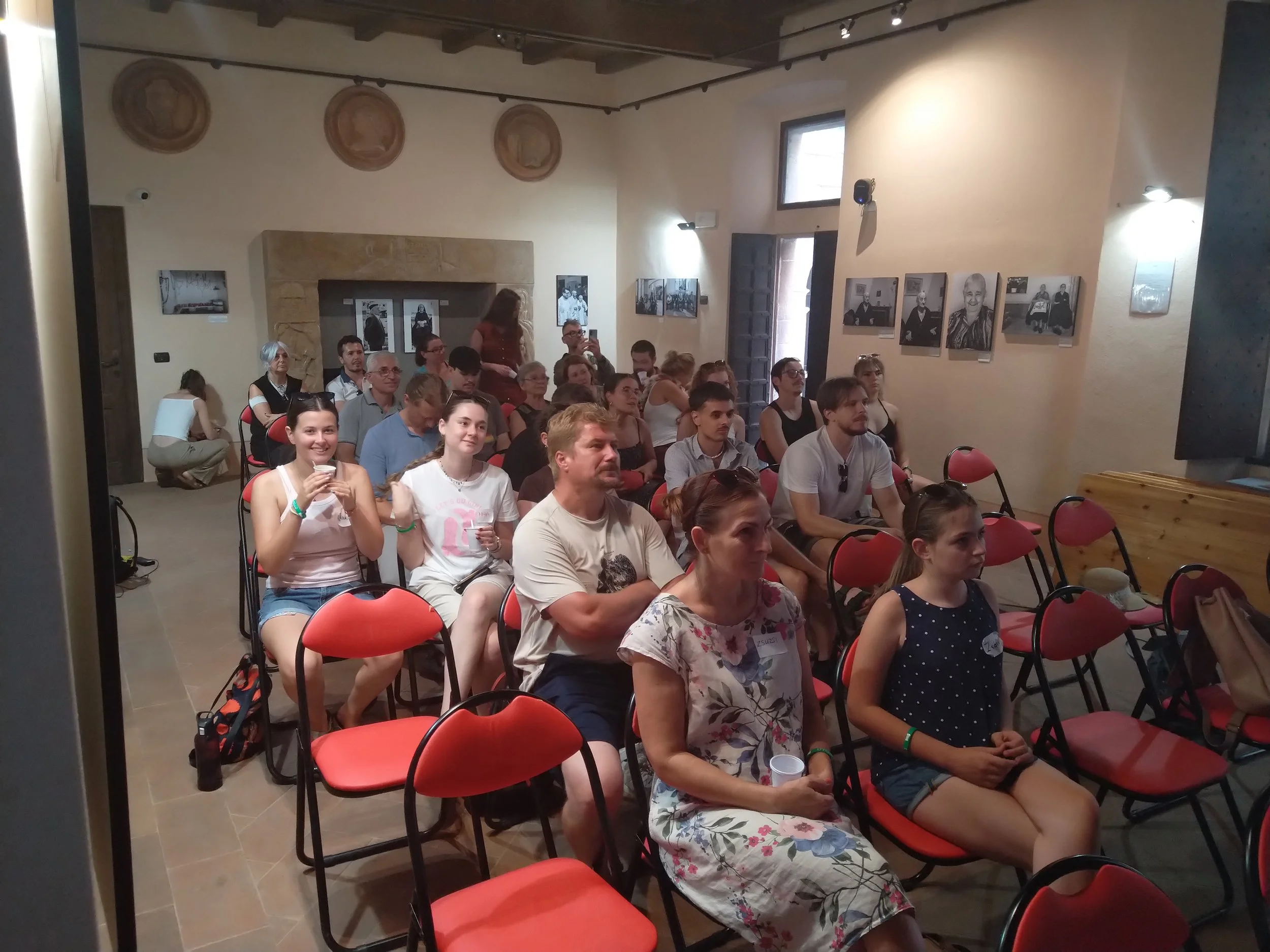
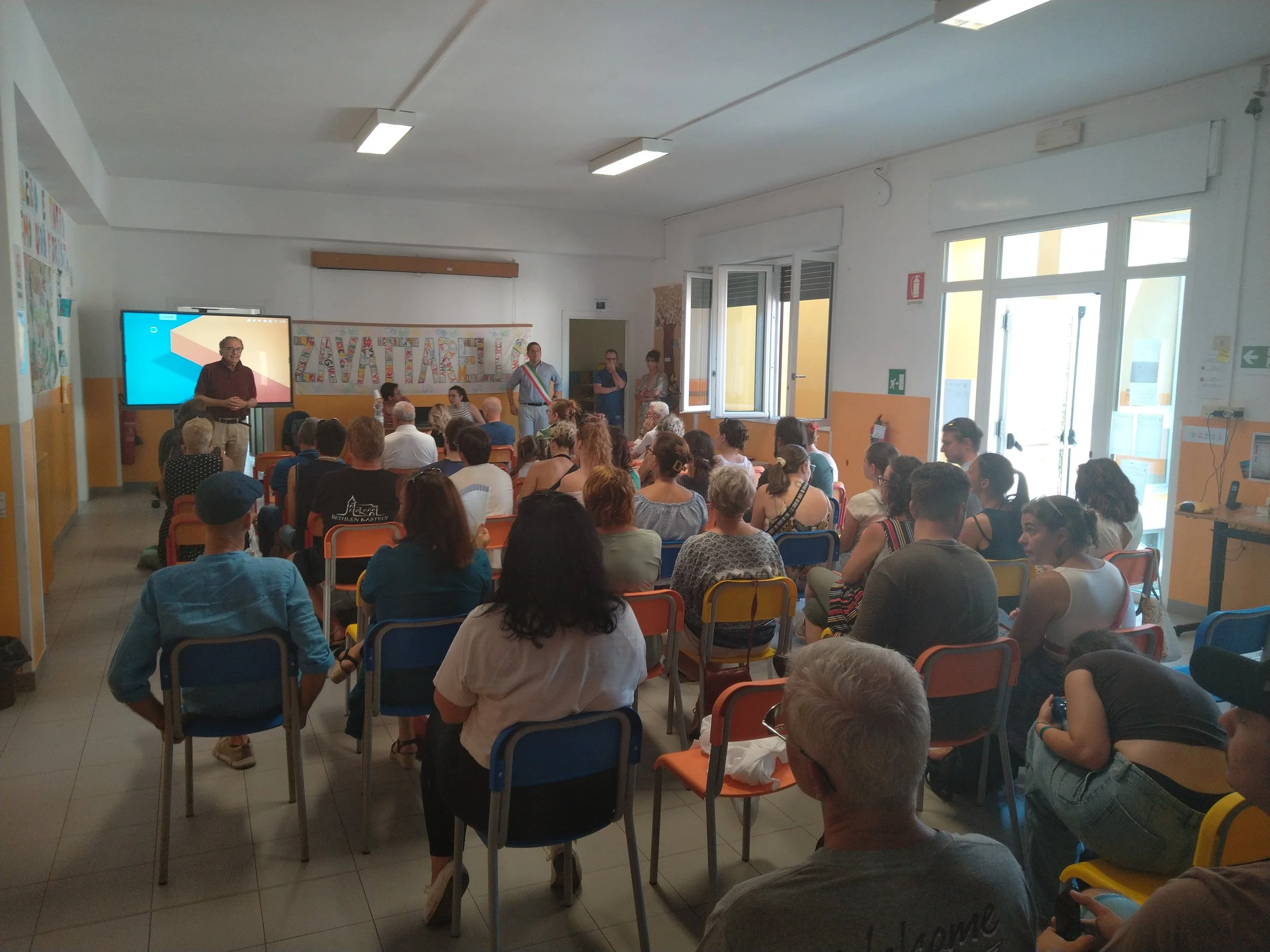
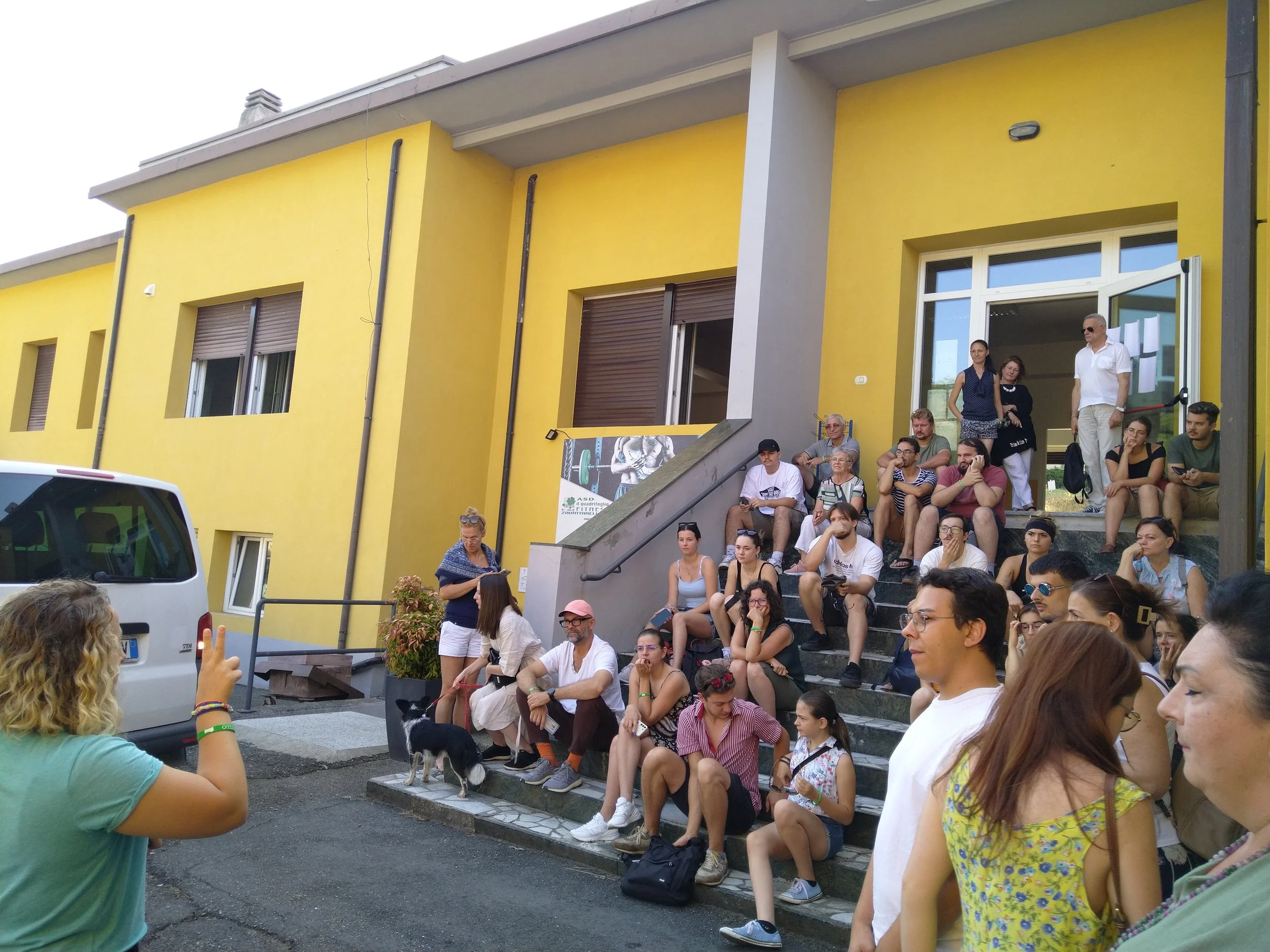
A második ifjúsági csereprogram olaszországi eseményén partnerszervezetenként 10-10 fő vett részt. Az olaszországi esemény vonatkozásában a partnerség egyhangúlag azon az állásponton volt, hogy a programban aktívan közreműködő szakemberek is képviseltessék magukat - a romániai és magyarországi szakemberek jelenléte lehetővé tette a korábbi, romániai tapasztalatok személyes megvitatását, másrészt jelentősen elősegítette az őszi, budapesti programok zökkenőmentes előkészítését. A programtájékoztatóban bemutatott szakemberek – közreműködők segítségével, a csereprogram keretében igyekeztünk olyan tematikát megvalósítani, amely révén a résztvevők a helyi örökség- és műemlékvédelmi gyakorlatok tanulmányozása és konkrét gyakorlati tevékenységek révén szereznek tapasztalatokat.
Az olaszországi ifjúsági csereprogram teljes leírását a programfüzet tartalmazza.
https://www.cultural-crossroads.eu/hirek/exchange-in-zavatarello-broschure
neves műemlékes szakemberek előadásain keresztül kaptak érdemi információkat az olaszországi kulturális örökség területén releváns gyakorlatokról;
restaurálás alatt álló műemlékek konkrét munkafázisait szemlélhették meg a restaurálási helyszíneken, a restaurálási munkálatokat végző szakemberek vezetésével (Zavattarello);
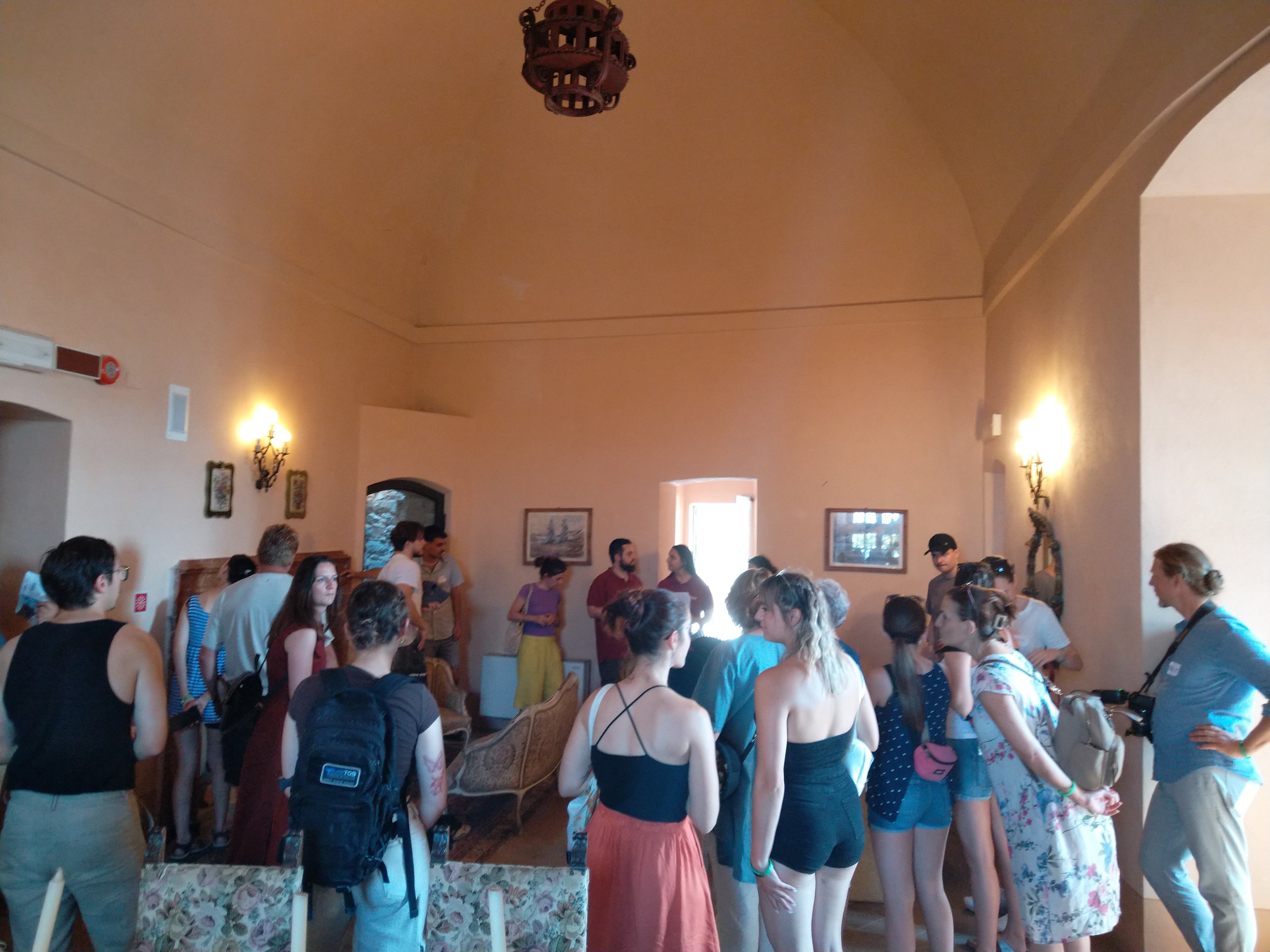
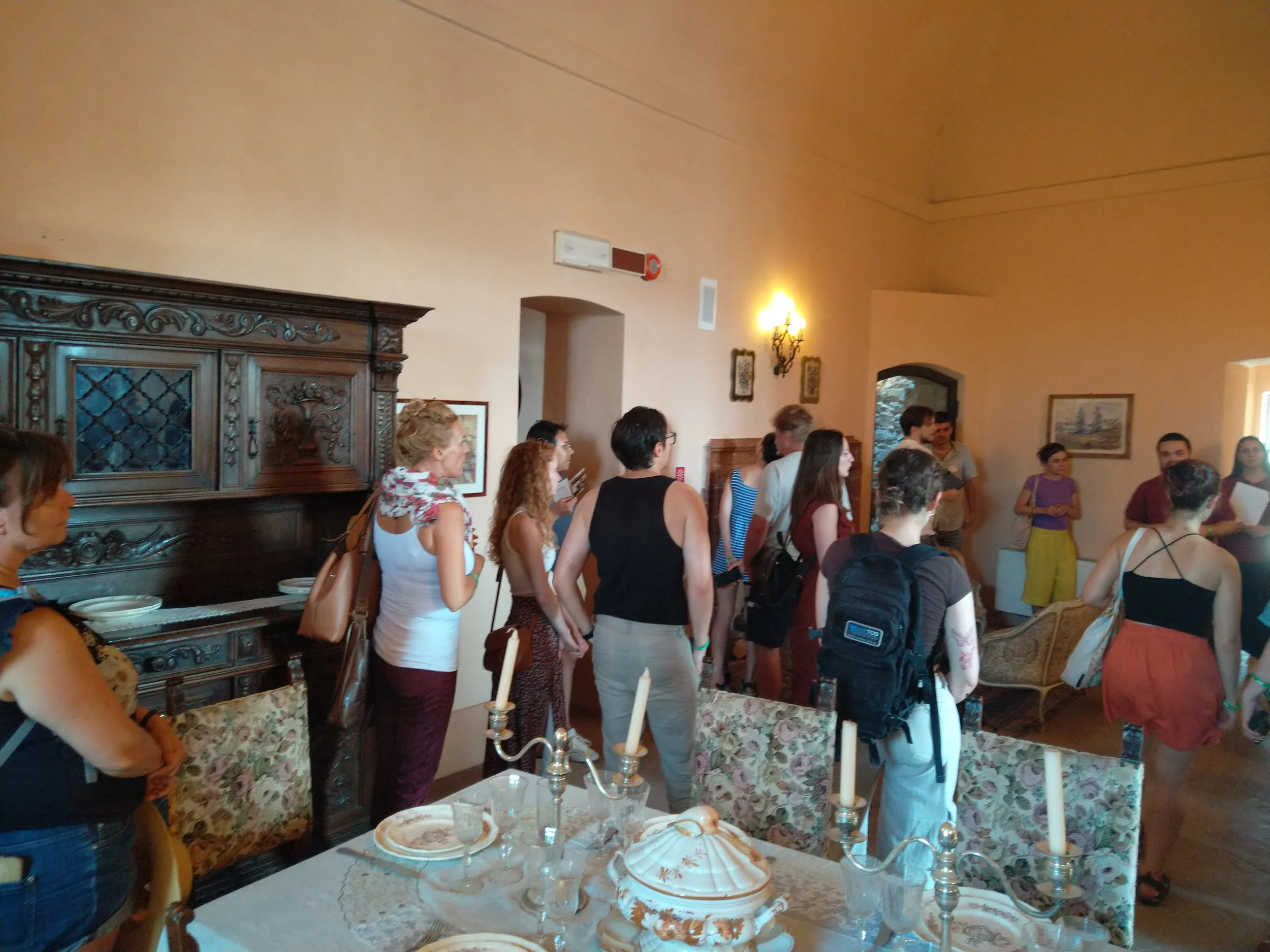
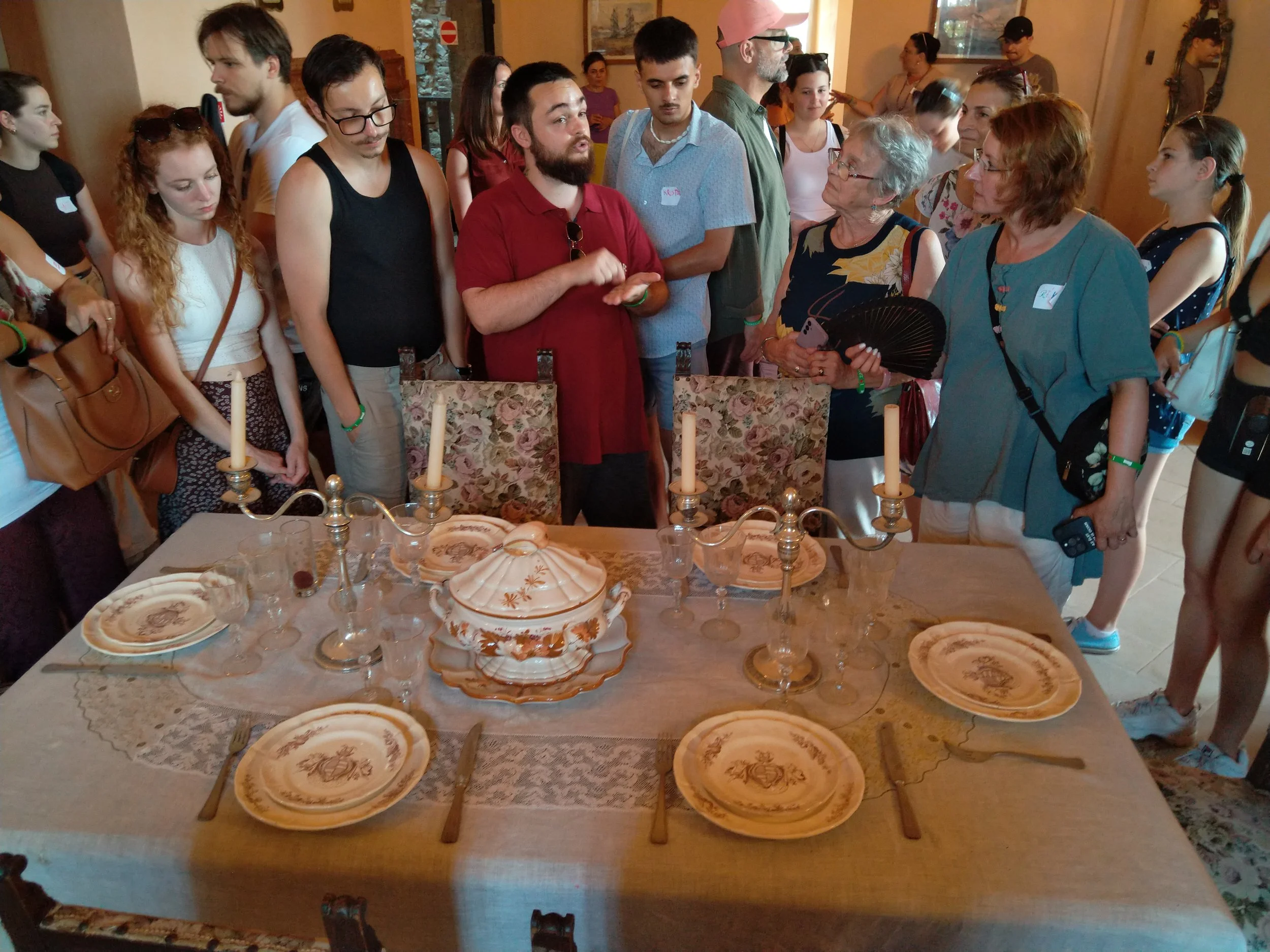
a közelmúltban elkészült restaurált műemlékeket – jó gyakorlatokat - tekinthettek meg, a restaurálási tevékenységeket végző szakemberek vezetésével (Zavattarello, Pavia);
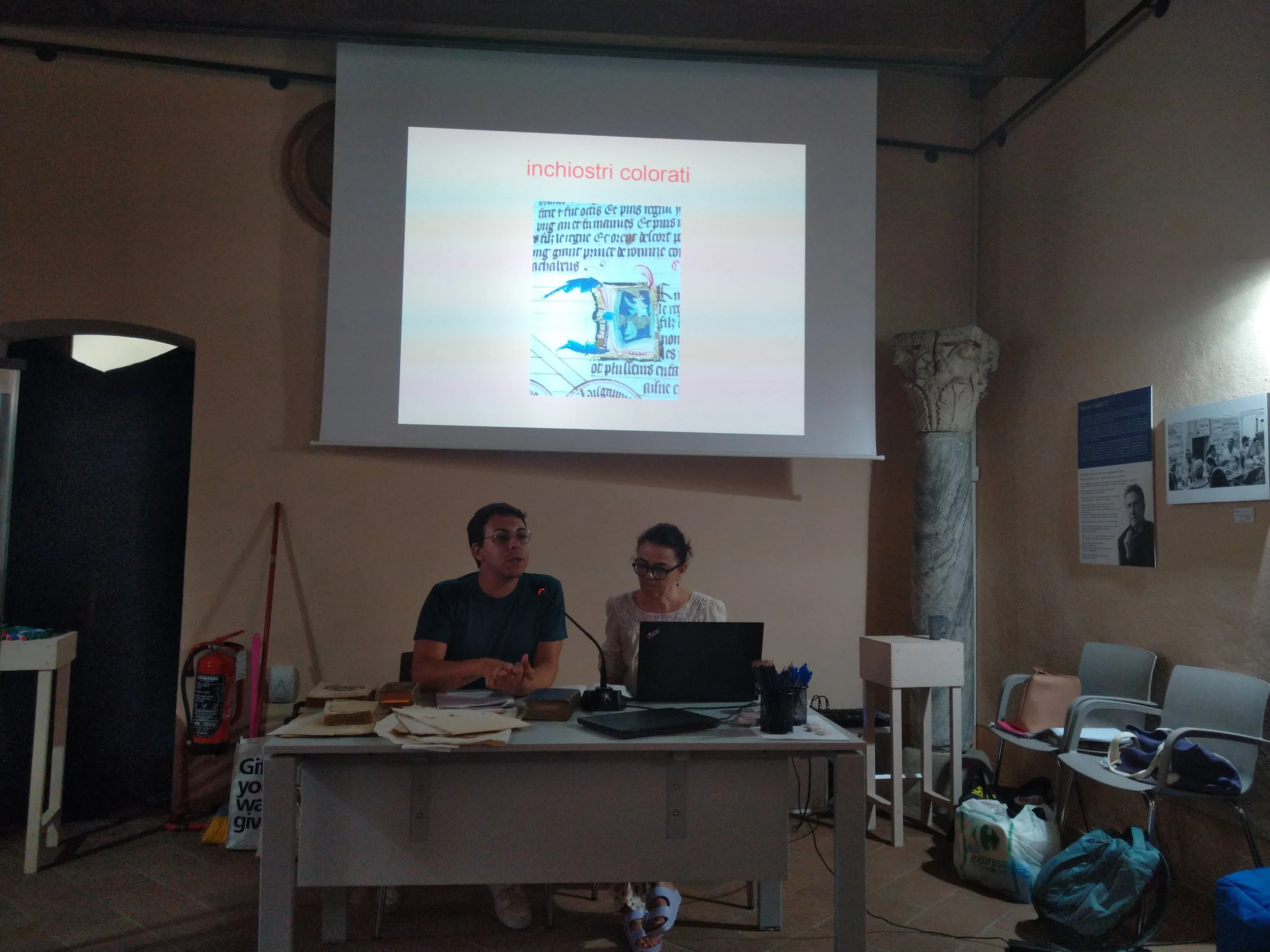
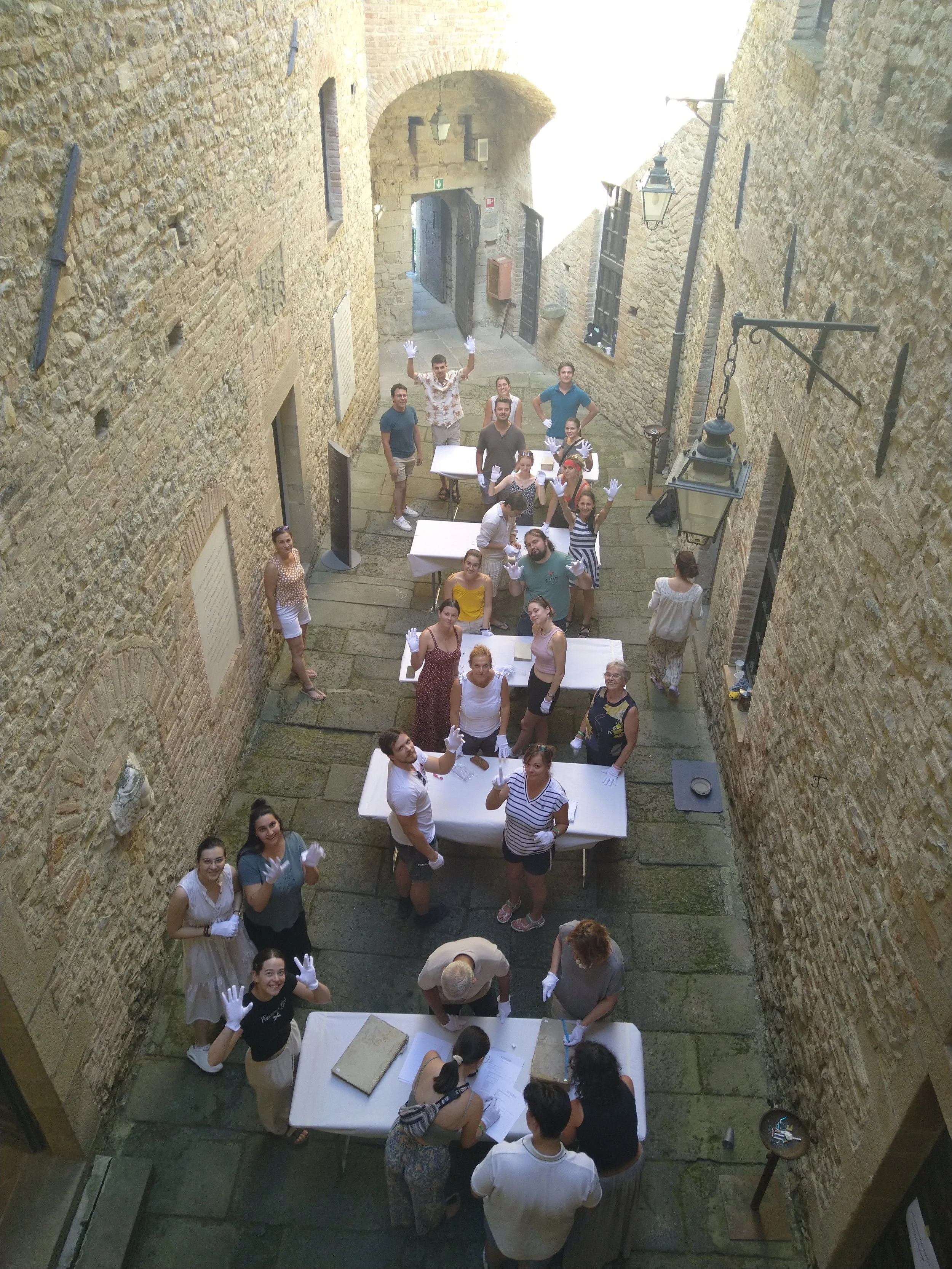
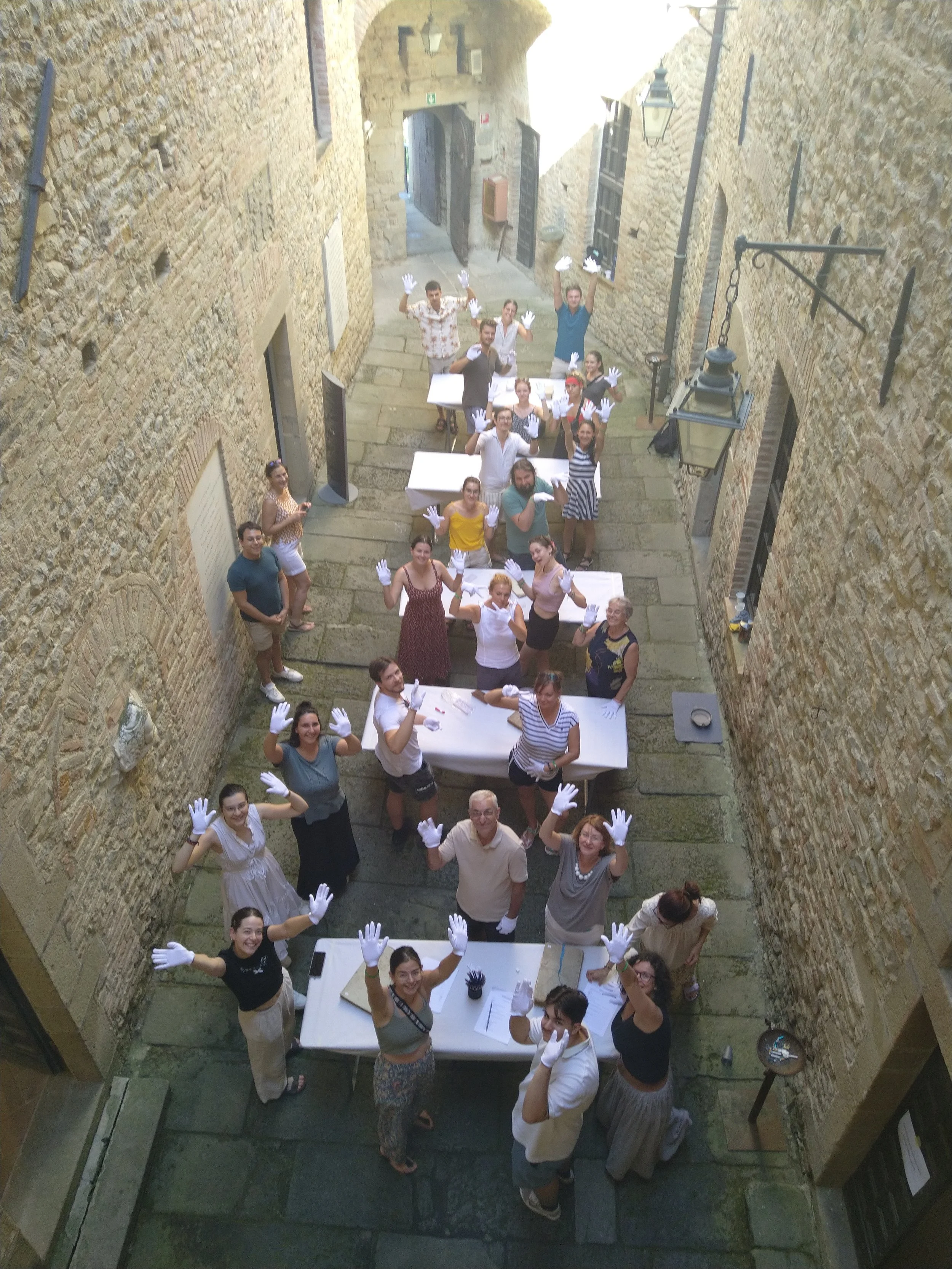
az olasz partnerszervezet révén a projektbe „bevont” központi műemlék, a zavattarellói lovagvár levéltárára fókuszálva kétnapos szakmai gyakorlat keretében ismerkedhettek meg a középkori kódexrestaurálási és kezeléstechnikai gyakorlatokkal;
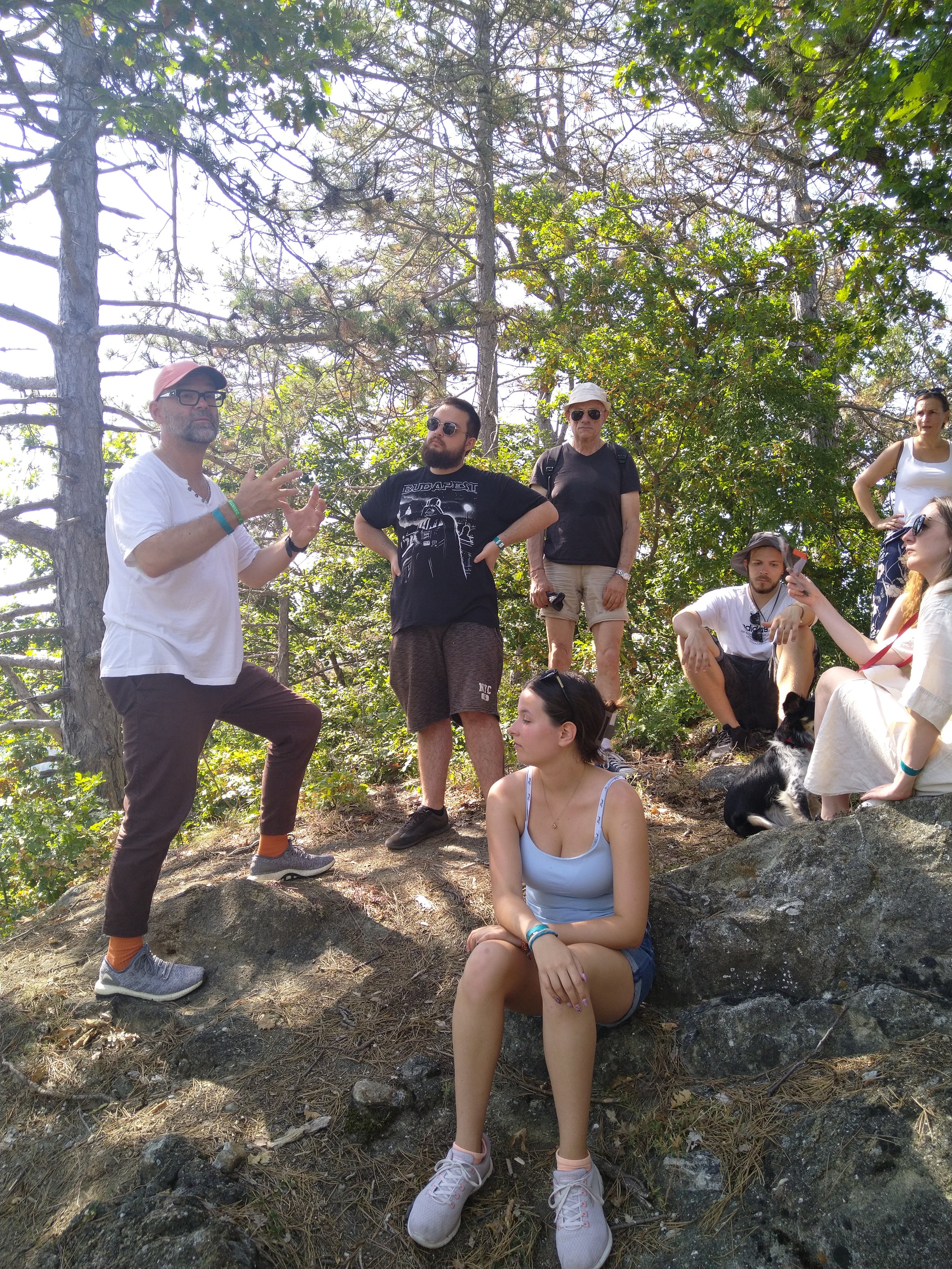
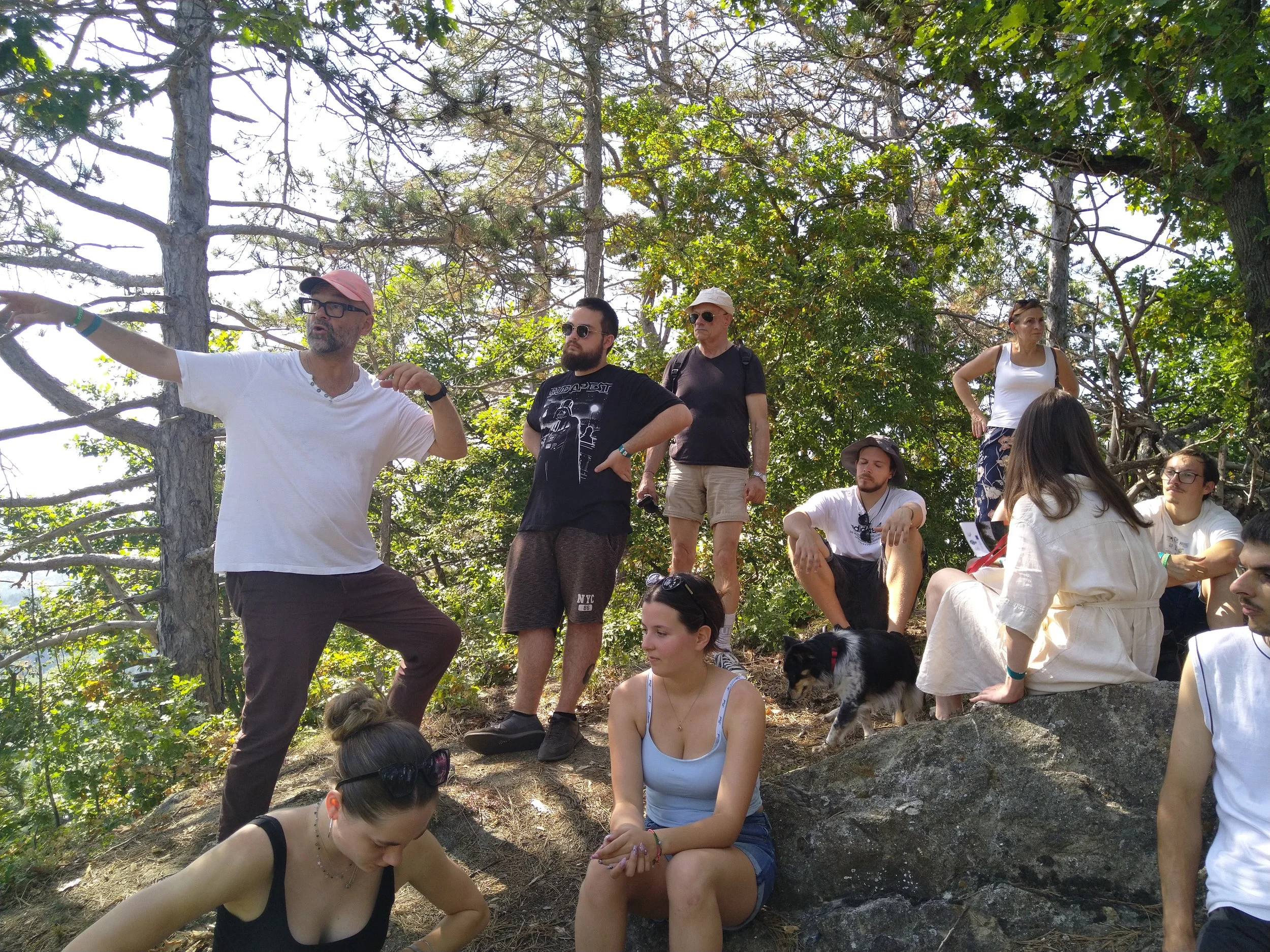
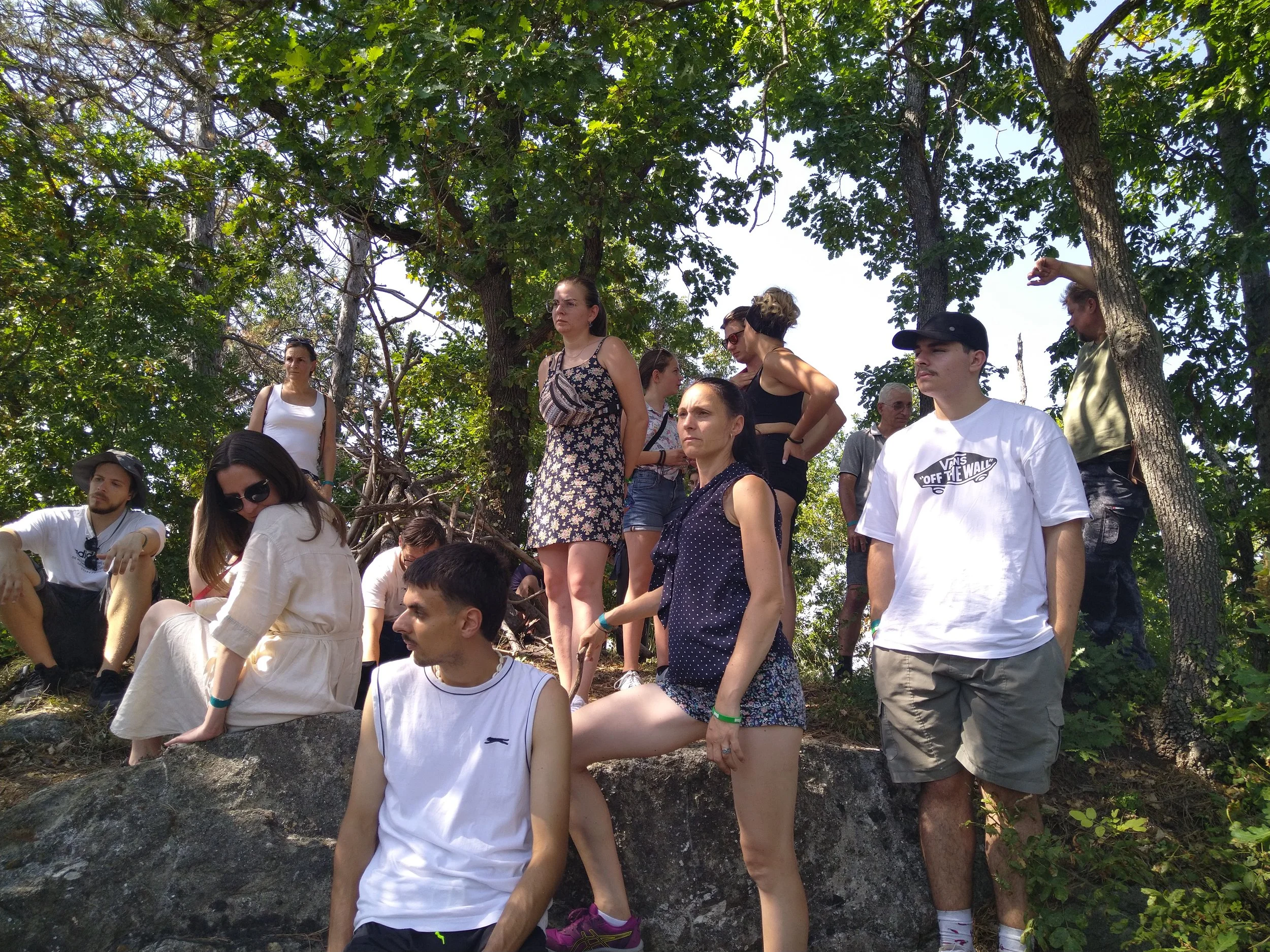
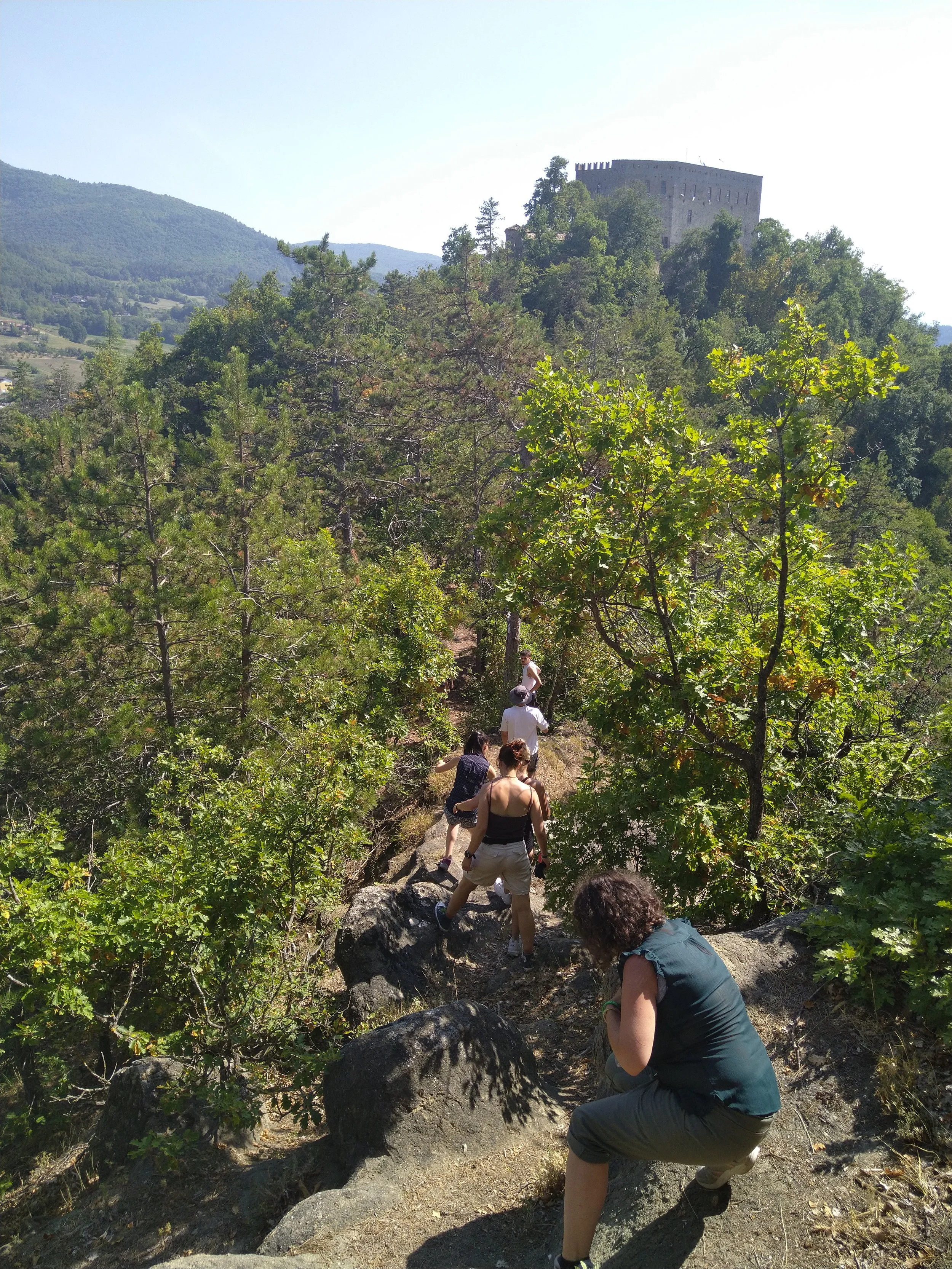
Zavattarellóban a nemzetközi ifjúsági csoport – az olasz, romániai és magyarországi szakmai közreműködők irányítása mellett - alkalmi installáció segítségével hívta fel a figyelmet a várkomplexum elfeledett őrtornyának helyére. A természetművészet és a landart határán lévő beavatkozás célja az volt, hogy feltárja és kijelölje azt a várból induló ösvényt, amely rendkívül szcenikus útvonalként, a hegygerincen vezetett el ahhoz a kilátóponthoz, amely az egykori őrtorony helye volt. A térinstalláció célja az volt, hogy helyzetbe hozza azt a pontot, ahonnan körpanorámás kilátás nyílik a környékre. Az installáció sikere kijelölte a további fejlesztési irányt egy olyan tanösvény/turistaút kialakítását, amelynek végpontján egy diszkrét építészeti eszközökkel kialakított biztonságos pihenő-kilátó áll;
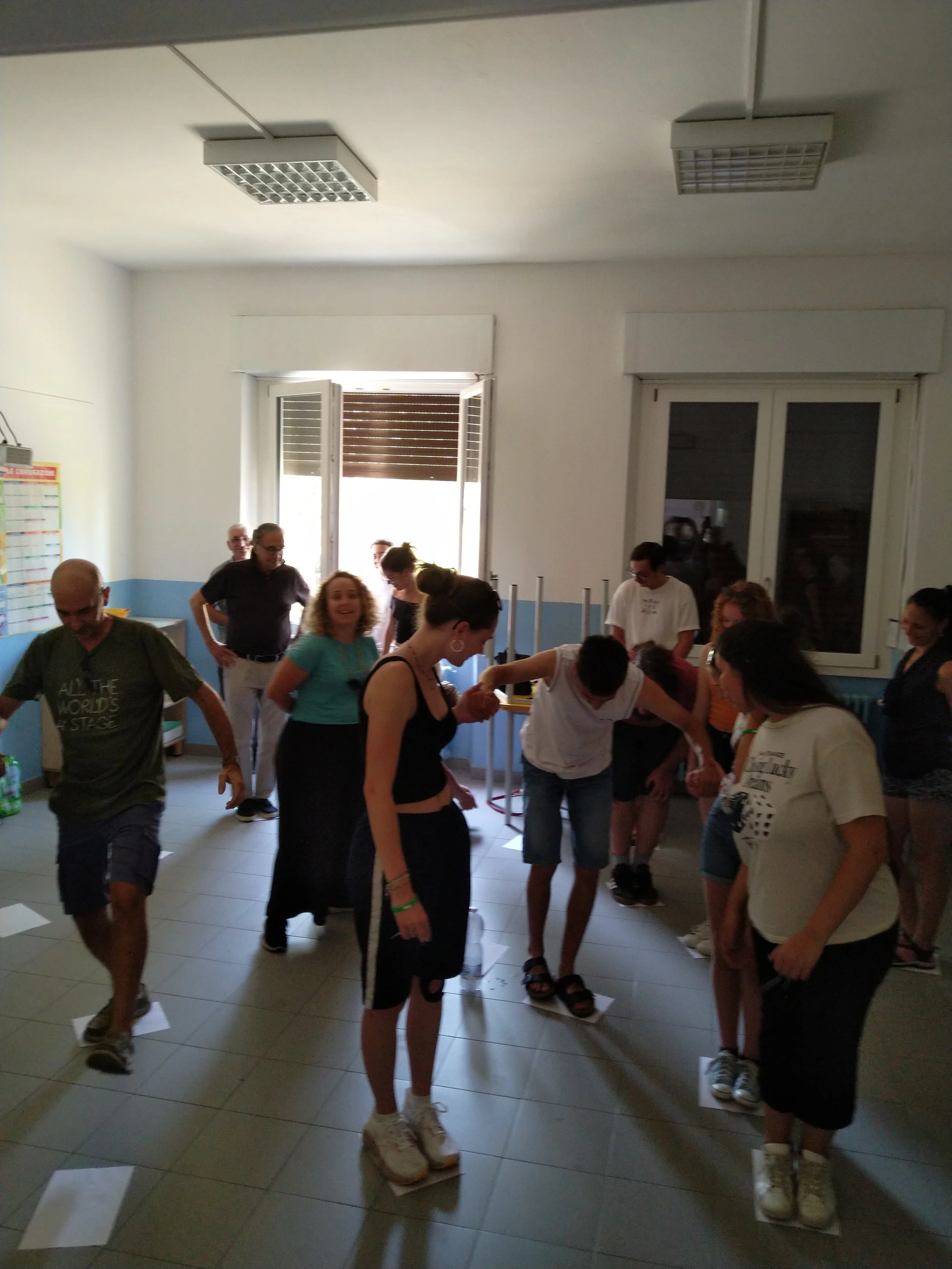
kétnapos tréningen vehettek részt, mely tréningek az épített örökségvédelem területén releváns nemzetközi együttműködés tendenciáit hivatottak erősíteni, fejleszteni.
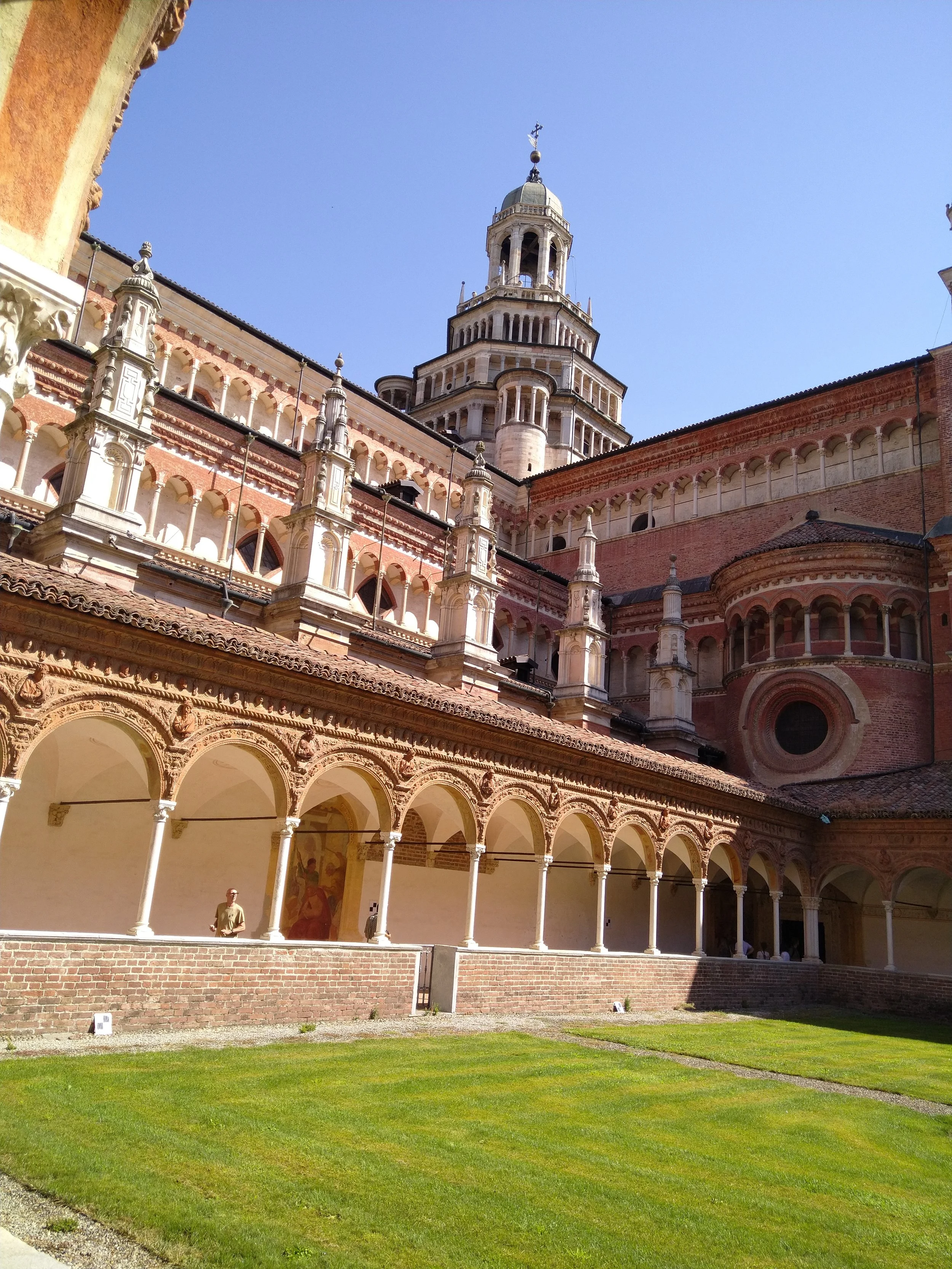
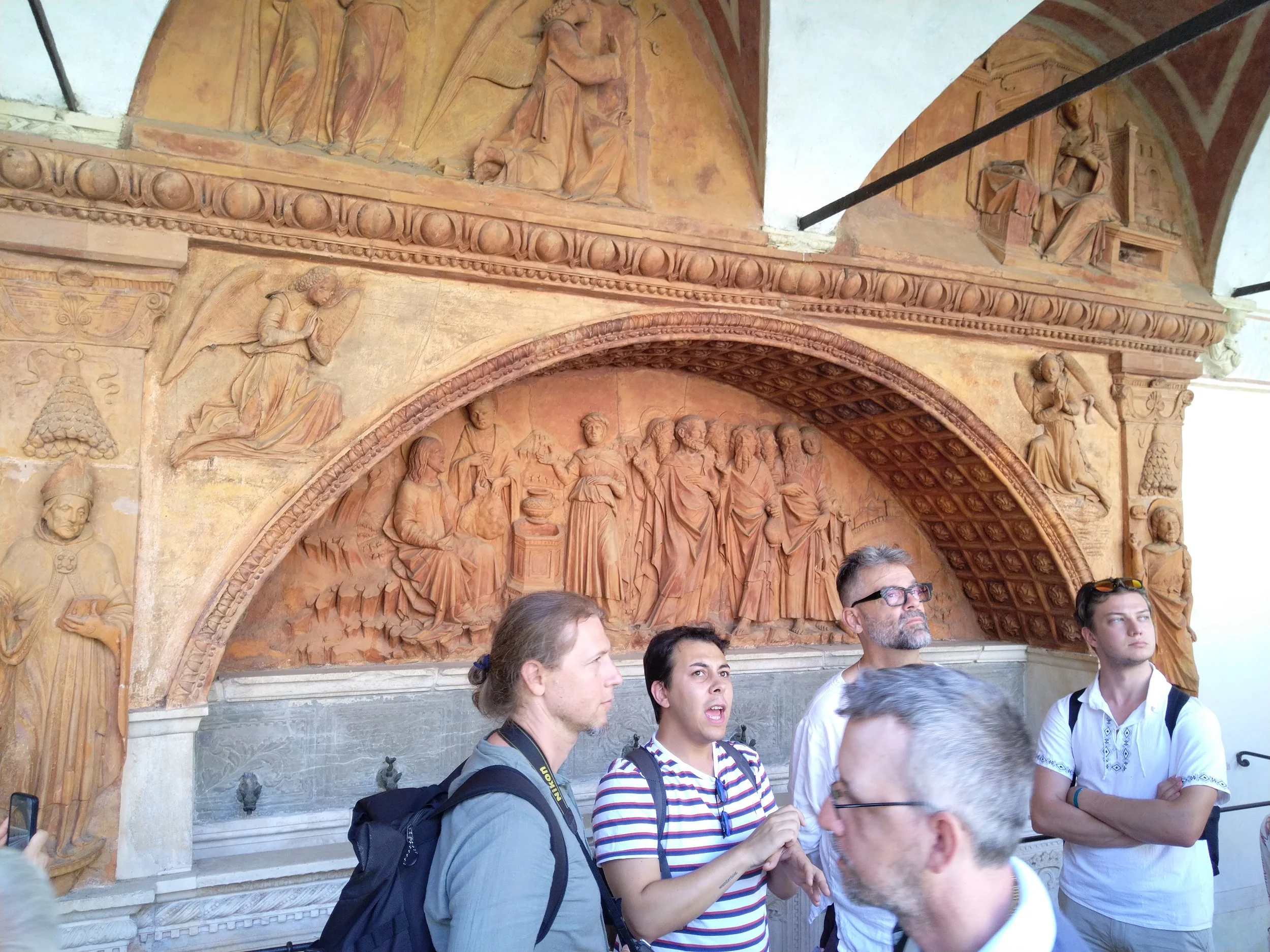
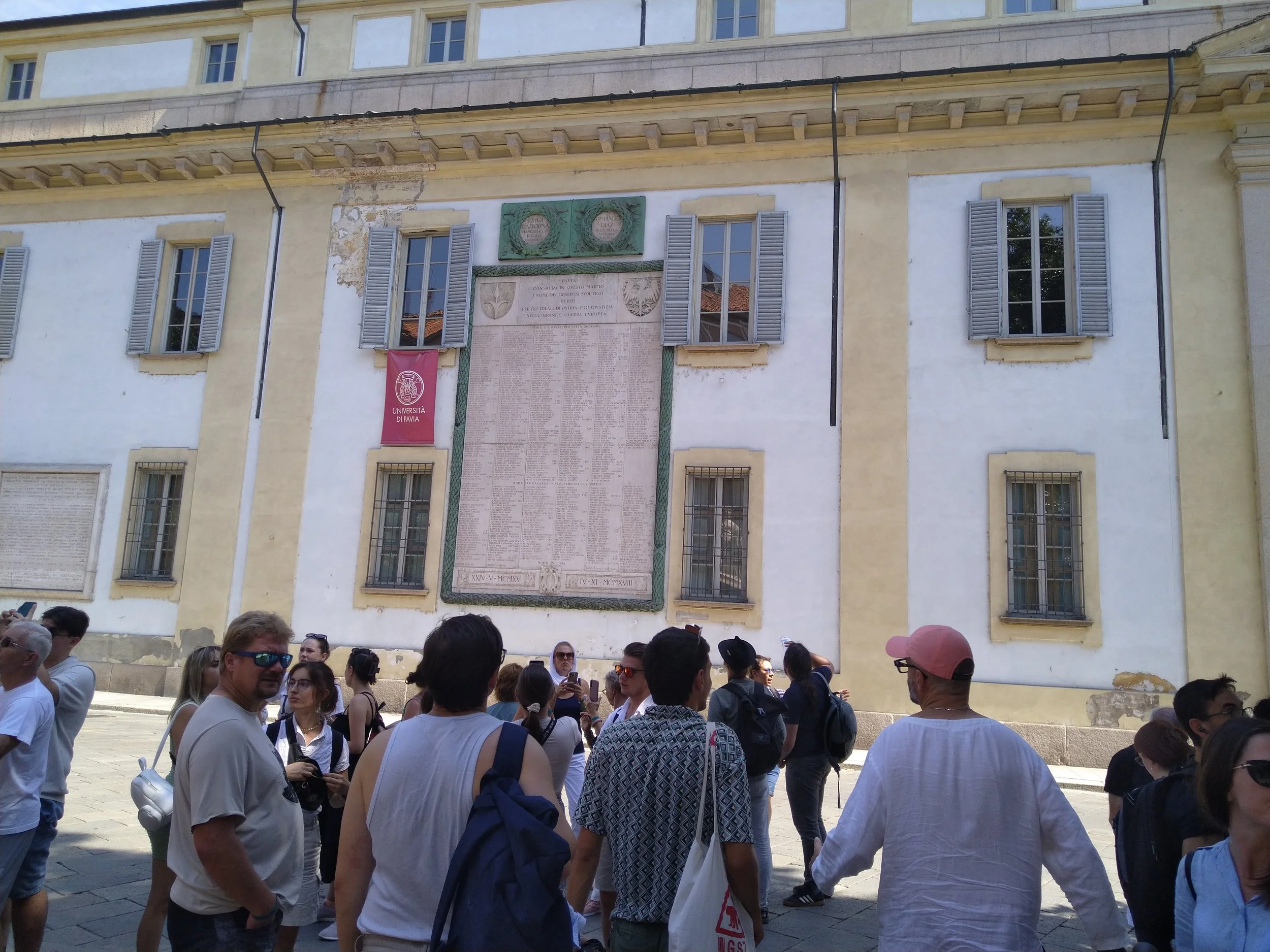
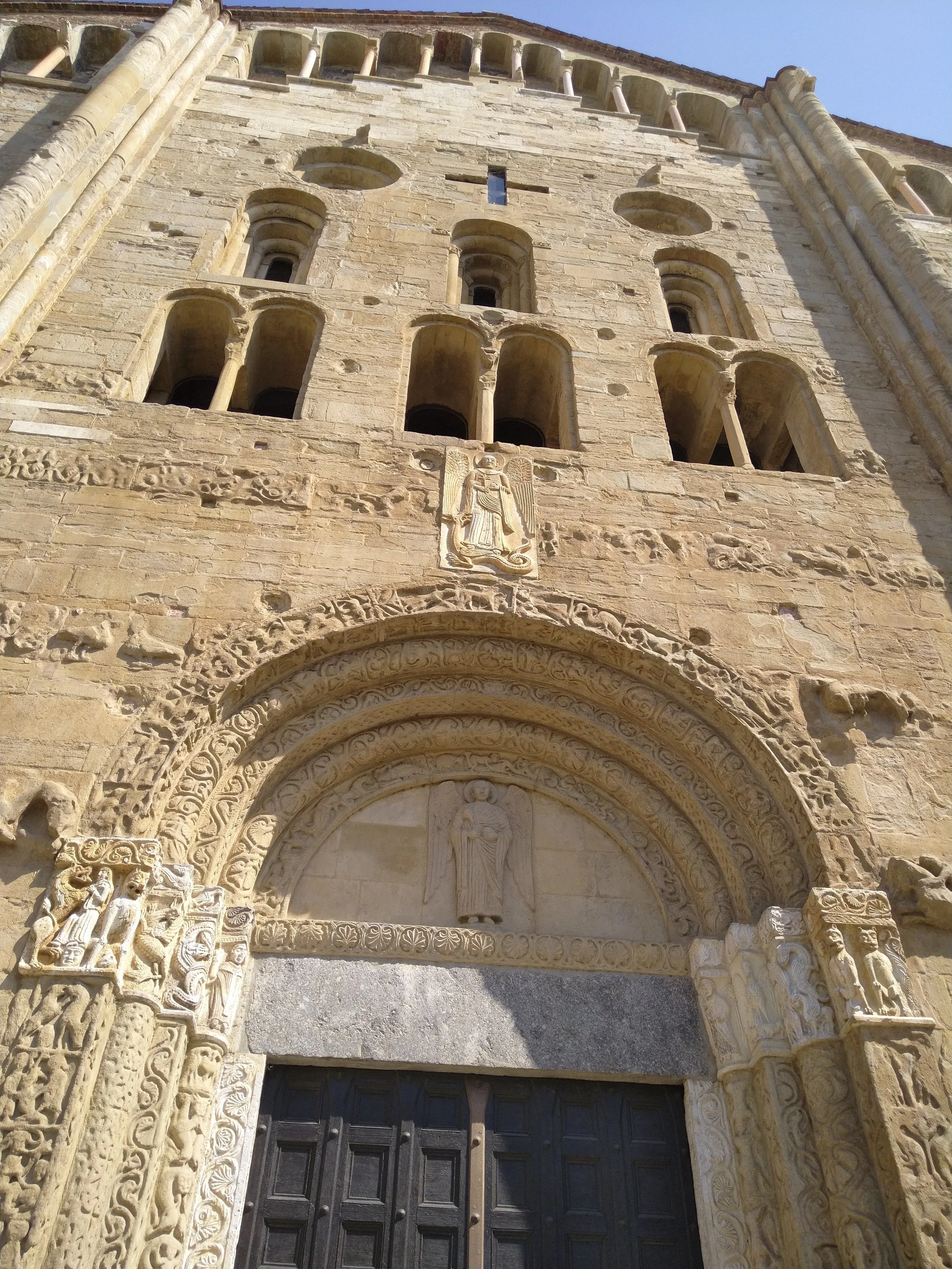
az UNESCO Világörökség érintettsége folytán megismerkedhettek az UNESCO világörökségi javaslati (várományosi) listáján szereplő Pavia történelmi városközponttal és a Certosa di Pavia karthauzi kolostorral. A Lombardia régióban található város lenyűgöző középkori és reneszánsz örökséggel rendelkezik, beleértve a 12. századi San Michele Maggiore-bazilikát és a Visconti-kastélyt is, a résztvevők szakértői vezetéssel ezeket is megtekinthették.
A projekt központi elemeként a résztvevők a zavattarellói programok keretében is kaptak tájékoztatást az ESZKÖZTÁR dokumentum munkaanyagának aktuális, előrehaladott állapotáról - a dokumentum gyakorlati és elméleti kézikönyvként mutatja be a partnerség országainak az épített kulturális örökségét és aktuális örökség- és műemlékvédelmi gyakorlatát, kiemelten fókuszálva a fiatalok kulturális tudatosságának és polgári szerepvállalásának előmozdítására.
YOUTH EXCHANGE PROGRAM (A3.5) - ZAVATTARELLO, ITALY, AUGUST 12–18, 2025
Ten participants from each partner organization took part in the second youth exchange program event in Italy. Regarding the event in Italy, the partnership unanimously agreed that experts actively involved in the program should also be represented—the presence of experts from Romania and Hungary made it possible to personally discuss previous experiences in Romania, and, on the other hand, significantly facilitated the smooth preparation of the fall programs in Budapest. With the help of the experts and contributors featured in the program brochure, we sought to implement a thematic framework within the exchange program that would allow participants to gain experience through the study of local heritage and historic preservation practices and through concrete hands-on activities.
A full description of the youth exchange program in Italy is included in the program booklet.
Through presentations by renowned historic preservation experts, participants gained substantive information about relevant practices in the field of cultural heritage in Italy;
They were able to observe specific phases of work on historic monuments currently undergoing restoration at the restoration sites, guided by the professionals carrying out the restoration work (Zavattarello);
They were able to view recently restored historic monuments—examples of best practices—under the guidance of the professionals carrying out the restoration work (Zavattarello, Pavia);
Through the Italian partner organization, they were able to familiarize themselves with medieval codex restoration and conservation techniques during a two-day professional training session focused on the archives of the Zavattarello Knight’s Castle, a central historic monument “involved” in the project;
In Zavattarello, the international youth group—under the guidance of Italian, Romanian, and Hungarian experts—used a temporary installation to draw attention to the location of the castle complex’s forgotten watchtower. The aim of this intervention, which straddled the line between nature art and land art, was to uncover and mark the path leading from the castle—an exceptionally scenic route along the mountain ridge—to the vantage point where the former watchtower once stood. The purpose of the site-specific installation was to highlight the point from which a panoramic view of the surrounding area opens up. The success of the installation charted the course for further development: the creation of an educational trail or hiking path culminating in a safe rest area and lookout point designed using discreet architectural elements;
They were able to participate in two-day training sessions designed to strengthen and develop relevant international cooperation trends in the field of built heritage conservation.
Given its status as a UNESCO World Heritage site, they were able to explore the historic city center of Pavia and the Certosa di Pavia Carthusian monastery, both of which are on UNESCO’s Tentative List. Located in the Lombardy region, the city boasts an impressive medieval and Renaissance heritage, including the 12th-century Basilica of San Michele Maggiore and the Visconti Castle, which the participants were able to visit on an expert-guided tour.
As a central element of the project, participants also received information during the programs in Zavattarello about the current, —a practical and theoretical handbook that presents the built cultural heritage and current heritage and monument conservation practices of the partnership countries, with a particular focus on promoting cultural awareness and civic engagement among young people.
